Posted on 8/28/2026
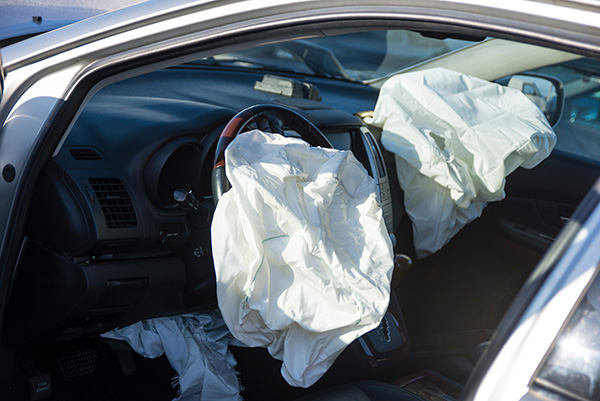
There is no single seat that provides the greatest protection in every vehicle and every type of collision. Occupant age, body size, seat belt fit, airbag design, child restraint installation, and the direction of the impact all affect injury risk. For most passengers, the strictest rule is simple: use the seating position where the correct restraint fits and can be used properly. For children younger than 13, federal safety guidance recommends the rear seat. Adults should consider belt fit, available airbags, and the safety equipment installed in each seating position. The Rear Seat Is Usually The Better Choice The rear seat places passengers farther from the dashboard, windshield, steering wheel, and the most common area of impact in a frontal crash. This distance is one reason the back seat has long been recommended for children. Children younger than 13 should remain properly restrained in the rear seat, according to both NHTSA and the CDC. They should use a re ... read more
Posted on 7/31/2026
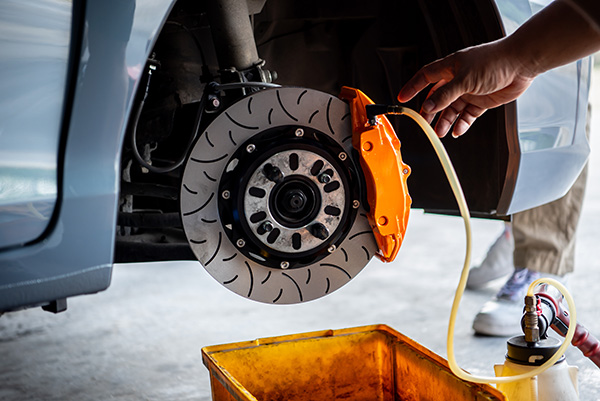
A brake flush can sound unnecessary when the car stops normally. The pedal feels firm enough, there is no grinding noise, and the brake warning light is off. From the driver’s seat, everything seems fine. That is exactly why brake fluid gets ignored. It does its work inside the hydraulic system, where you cannot see it aging. The brakes can feel normal during everyday stops while the fluid slowly absorbs moisture, loses heat resistance, and allows corrosion to begin in parts that are much more expensive than a fluid service. The Brake Pedal Can Be Misleading A firm brake pedal does not always mean the brake fluid is healthy. It only means the system is still building pressure while you're driving the way you are right now. That may be light traffic, short trips, or gentle braking around town. Brake fluid problems often show up when the system gets hotter. A long downhill drive, repeated stops, freeway traffic, or a sudden hard stop can expose weak fluid t ... read more
Posted on 6/26/2026
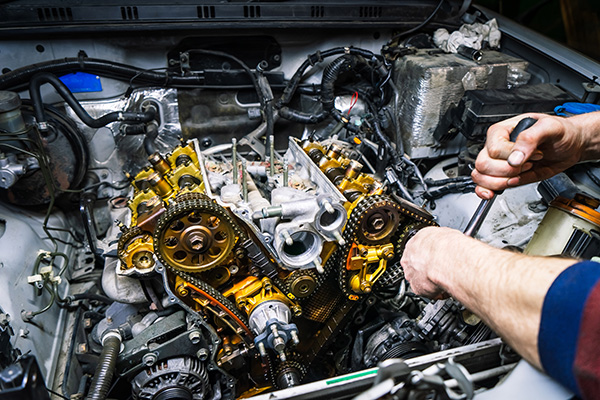
Engine failure can leave drivers with a hard decision. Do you rebuild the engine you already have, replace it with a used one, or choose a remanufactured option that gives the vehicle a stronger path forward? The right answer depends on the damage, the vehicle, the budget, and how long you want to keep driving it. Jasper Engines are often part of that conversation because they offer remanufactured drivetrain products built with consistency, testing, and warranty support in mind, for many drivers, that makes them a practical choice when the original engine is too damaged, worn, or expensive to repair piece by piece. What A Jasper Engine Is A Jasper engine is a remanufactured engine. That means it is not simply pulled from another vehicle and installed as-is. It undergoes a rebuilding process in which worn parts are inspected, machined, replaced, updated, and tested before the engine is sold for installation. That is different from a used engine from a salvage yard ... read more
Posted on 5/29/2026

Fuel prices can make every fill-up feel like a bigger decision than it used to. If your car calls for premium gas, switching to regular can seem like an easy way to save money right away. The question is whether the savings at the pump are worth it for your specific engine. Some vehicles handle regular fuel just fine. Others were built around premium fuel, and changing grades can affect performance, efficiency, and long-term engine health. Before you switch, it helps to know what premium gas actually does and what your car is asking for. Why Fuel Grade Should Match The Engine Fuel grade is based on octane rating. Octane measures how well a fuel resists knocking, which occurs when fuel ignites at the wrong time in the engine. That is especially important in engines with higher compression, turbochargers, superchargers, or performance tuning. Premium gas does not automatically mean cleaner or more powerful gas for every car. It simply resists knock better than regula ... read more
Posted on 4/30/2026
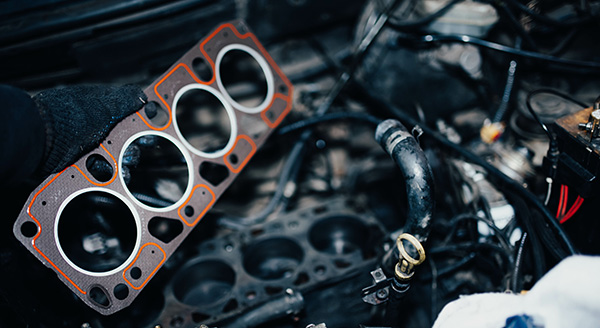
An overheating engine can require more than one repair. In some cases, the cooling system problem is the whole story. In others, the heat gets far enough out of control that the head gasket ends up damaged as well. That is where drivers get stuck, because the car may cool down later, restart, and still seem drivable enough to tempt them into pushing their luck. That is a bad gamble. A blown head gasket can turn one overheating event into ongoing engine damage if the problem is not checked right away. What The Head Gasket Actually Does The head gasket seals the connection between the engine block and the cylinder head. It keeps coolant, oil, and combustion pressure in their proper places. When that seal fails, those systems can start mixing or leaking where they should not. Once that happens, the engine can lose coolant internally, burn coolant in the cylinders, push pressure into the cooling system, or contaminate the oil. None of those outcomes is small for very l ... read more
Posted on 3/27/2026
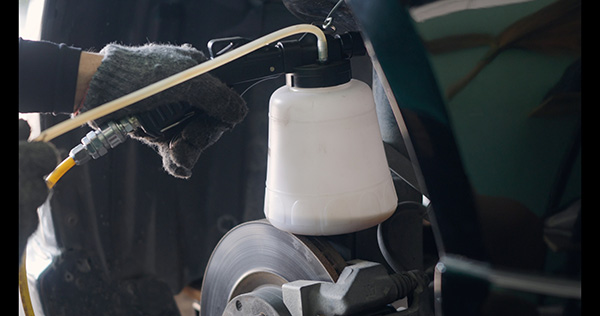
Brake fluid is easy to forget because it’s not something you see or smell day to day. The car can stop fine for a long time even when the fluid is past its best. That is exactly why people skip it until a brake job or a warning forces the conversation. A flush is not about making the pedal feel different for one drive, but it keeps the system healthy over the long haul. If you have never had it done, or you cannot remember the last time, it is worth understanding what changes inside the system over time. What Brake Fluid Does Beyond Moving Pressure Brake fluid transfers your pedal pressure to the calipers so the pads clamp the rotors. It also has to withstand heat without boiling, because the brakes generate a lot of heat during repeated stops. If the fluid boils, it forms vapor, and vapor compresses, which can reduce stopping consistency. The other job brake fluid does is protect internal components from corrosion. That matters because brake systems have sma ... read more
Posted on 2/27/2026
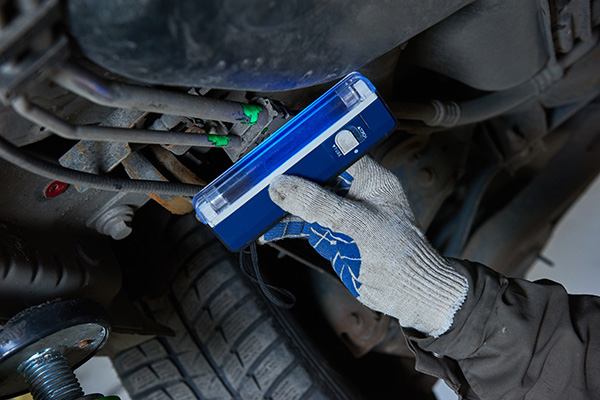
A/C refrigerant leaks usually start small. The system still cools the cabin, just not as quickly, and you may only notice it on the hottest days or when you are stuck in traffic. That is why so many drivers put it off until the air is barely cool or suddenly turns warm. Refrigerants do not get used up like fuel. If the level is low, it leaked out somewhere. Catching the signs early can save you time, money, and a lot of sweaty drives. Sign 1: The A/C Takes Longer To Get Cold One of the first changes drivers notice is that the A/C still gets cool, but it takes more time than it used to. You start the car, turn on the air, and it feels like it is thinking about it before the temperature drops. That delay often happens when the refrigerant charge is a little low. The system can still run, but it is operating at reduced capacity, so it cannot remove heat from the cabin as quickly. If this change has been consistent for a week or two, it is worth scheduling an inspect ... read more
Posted on 1/30/2026
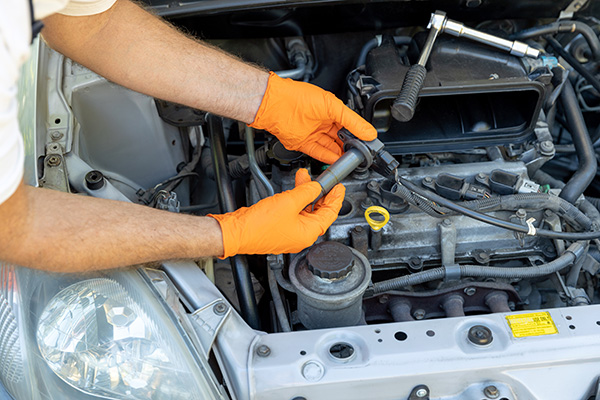
When an engine starts running rough, most drivers jump straight to the spark plugs. That makes sense because plugs are common wear items. But ignition coils fail plenty often, too, and the symptoms can overlap in a way that makes guessing expensive. The good news is your car usually gives a few clues that point more toward plugs, more toward coils, or sometimes a different problem entirely. How Spark Plugs And Coils Work Together Spark plugs create the spark that ignites the air-fuel mix in the cylinder. Ignition coils provide the high voltage that makes that spark happen. In many modern cars, each cylinder has its own coil sitting on top of its spark plug. When everything is healthy, the spark is strong and consistent. When either part starts failing, combustion gets inconsistent, and that’s when you feel the roughness. Because the coil and plug work as a pair, a weak plug can stress a coil, and a weak coil can foul a plug. That’s why it’s smart ... read more