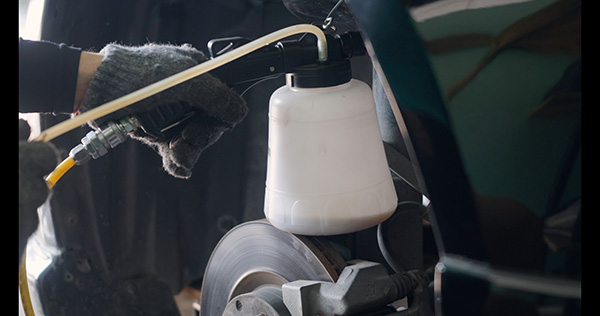
Brake fluid is easy to forget because it’s not something you see or smell day to day. The car can stop fine for a long time even when the fluid is past its best. That is exactly why people skip it until a brake job or a warning forces the conversation. A flush is not about making the pedal feel different for one drive, but it keeps the system healthy over the long haul.
If you have never had it done, or you cannot remember the last time, it is worth understanding what changes inside the system over time.
What Brake Fluid Does Beyond Moving Pressure
Brake fluid transfers your pedal pressure to the calipers so the pads clamp the rotors. It also has to withstand heat without boiling, because the brakes generate a lot of heat during repeated stops. If the fluid boils, it forms vapor, and vapor compresses, which can reduce stopping consistency.
The other job brake fluid does is protect internal components from corrosion. That matters because brake systems have small passages, seals, and valves that rely on clean fluid to keep working correctly. When fluid gets contaminated, it stops protecting as well. That is when the long-term costs show up.
Why Brake Fluid Needs To Be Flushed
Brake fluid absorbs moisture from the air over time. This happens slowly through hoses and seals, even in a sealed system. Moisture lowers the boiling point, so the fluid can withstand less heat before it starts causing trouble. It also encourages corrosion inside lines and components.
The reason a flush matters is that you cannot remove moisture by topping off. The water is mixed throughout the system. A flush replaces the old fluid and purges the moisture-heavy fluid out of the lines and calipers. This is a regular maintenance item that can prevent expensive brake component failures later.
How Often Should Brake Fluid Be Changed
The best interval depends on the vehicle and driving conditions, but many manufacturers recommend changing brake fluid every two to three years. Some vehicles specify mileage intervals as well, but time is a big factor because moisture absorption happens even if you do not drive much. If you drive in humid climates or deal with lots of stop-and-go traffic, it can matter even more.
A good approach is using the manufacturer’s schedule as the starting point and adjusting based on inspection. Brake fluid condition can be tested with moisture content tools, and color can give hints, but testing is more reliable. If the fluid is dark and has been in there for years, it is usually ready.
Signs You Need A Brake Fluid Flush Soon
Brake fluid problems do not always show up as obvious brake failure, so signs can be subtle. A soft pedal can be caused by air in the system or other issues, but old fluid increases the risk of fade during repeated braking. If you drive mountain roads, tow, or do lots of stop-and-go, the system sees more heat and the fluid is stressed more often.
Here are a few clues that should move a brake fluid check higher on your list:
- The fluid looks dark at the reservoir compared to fresh fluid
- The pedal feels slightly softer during repeated stops than it used to
- You have had brake work done but the fluid has never been flushed
- The vehicle is a few years old and you do not have a record of a flush
- You notice braking performance changes on long descents or heavy traffic days
If you are not sure, a quick inspection and fluid test can give a clear answer. It is usually better than guessing based on pedal feel alone. The goal is to keep the system consistent, not wait for a problem.
What Happens If You Ignore It Too Long
Old fluid can lead to corrosion inside brake lines, calipers, and the ABS hydraulic unit. Once corrosion starts, it can cause sticking calipers, seized bleeder screws, or internal valve issues that are expensive to correct. Moisture also lowers the boiling point, which increases the chance of brake fade during heavy use. That can be a scary moment if it happens on a downhill or in traffic.
Ignoring fluid also makes other brakes work less effectively. New pads and rotors will not fix a hydraulic system that is struggling with contaminated fluid. We have seen cases where a driver replaced pads and still had poor feel because the fluid and internal components were the real issue. A flush is one of the cheaper ways to keep the brake system from aging badly.
What A Proper Brake Fluid Flush Includes
A proper flush removes old fluid from the lines and calipers and replaces it with the correct fluid type for the vehicle. It is not just sucking fluid out of the reservoir and refilling it, because that leaves old fluid in the system. We use the right process to circulate fresh fluid through each wheel so the whole system gets renewed.
We also look for related issues during the service. Leaks, torn boots, and uneven pad wear can be caught during an inspection, and that helps prevent repeat brake problems later. Regular maintenance is more effective when it includes catching small issues before they become bigger repairs.
Get Brake Fluid Flush In Seattle, WA, With West Seattle Autoworks
If you are unsure whether your brake fluid is overdue, West Seattle Autoworks in Seattle, WA, can test it and perform a proper flush with the correct fluid for your vehicle. We will also check for early signs of sticking calipers or uneven wear and help you plan the next service interval.
Schedule a visit and keep your braking consistent.