An overheating engine can require more than one repair. In some cases, the cooling system problem is the whole story. In others, the heat gets far enough out of control that the head gasket ends up damaged as well. That is where drivers get stuck, because the car may cool down later, restart, and still seem drivable enough to tempt them into pushing their luck.
That is a bad gamble. A blown head gasket can turn one overheating event into ongoing engine damage if the problem is not checked right away.
What The Head Gasket Actually Does
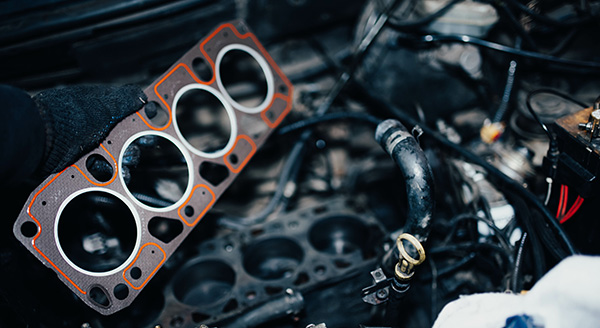
The head gasket seals the connection between the engine block and the cylinder head. It keeps coolant, oil, and combustion pressure in their proper places. When that seal fails, those systems can start mixing or leaking where they should not.
Once that happens, the engine can lose coolant internally, burn coolant in the cylinders, push pressure into the cooling system, or contaminate the oil. None of those outcomes is small for very long.
What To Do First After The Overheating Happens
If the temperature gauge climbs too high, steam comes from under the hood, or the warning light comes on, stop driving as soon as it is safe. Shut the engine off and let it cool. Do not remove the radiator cap while the system is still hot, because that can be dangerous.
After the engine cools, look for obvious coolant loss, leaks, or a reservoir that is far lower than it should be. If the coolant is gone and there is no clear external leak, the possibility of internal engine trouble rises. At that point, the safest move is to avoid driving it any farther than necessary and schedule an inspection.
Signs The Head Gasket May Have Been Damaged
Some clues show up quickly after an overheating event. You might notice white exhaust smoke, rough running on startup, bubbling in the coolant reservoir, repeated coolant loss, or pressure building in the cooling system sooner than it should. Sometimes the engine starts misfiring because coolant is getting into one of the cylinders.
Oil condition can tell part of the story, though not always. Milky residue under the oil cap or on the dipstick can suggest coolant contamination, but a bad head gasket does not always create that exact symptom. That is why the full pattern matters more than a single sign.
Why You Should Not Keep Topping Off Coolant And Driving
Drivers sometimes try to buy time by adding coolant and hoping the engine will settle down. That approach can backfire fast. If combustion gases are pushing into the cooling system or coolant is leaking into the engine internally, topping it off does not solve the real problem. It only delays it.
The bigger issue is that repeated overheating or internal coolant loss can damage far more than the gasket itself. Cylinder heads can warp. Spark plugs can foul. Bearings can suffer if coolant gets into the oil. A repair that might have stayed contained can spread into a much more expensive engine problem.
What A Shop Will Usually Check
A proper inspection after overheating usually goes beyond a glance under the hood. The cooling system needs to be pressure-tested, checked for leaks, and evaluated to determine the cause of the original overheating. The engine may also need a block test, compression testing, or leak-down testing to confirm whether the head gasket has failed.
That process matters because not every overheating event indicates a blown head gasket. A failed thermostat, radiator leak, bad water pump, cooling fan issue, or cracked hose can overheat an engine without causing permanent internal damage if caught soon enough. The inspection is what separates a cooling system repair from a deeper engine repair.
What Drivers Should Avoid Doing
A few mistakes make this situation worse. Do not keep driving just because the engine starts again. Do not assume the problem is over because the gauge returned to normal the next day. Do not keep adding coolant without finding out where it is going.
It is also smart not to rely on internet shortcuts to confirm the diagnosis. A blown head gasket can mimic other cooling system problems, and other cooling system problems can look like a blown head gasket. You want a real answer before you decide how serious the repair is.
When To Have It Checked
If the engine overheated even once and now feels different, loses coolant, runs rough, or shows any of the warning signs above, it's time. Waiting does not make this one cheaper. It just gives heat, pressure, and contamination more time to do damage inside the engine.
That is where regular maintenance still has value. Cooling system inspections, hose checks, and coolant service help reduce the chance of overheating in the first place. Once the engine has overheated, though, the priority shifts to determining exactly what survived and what did not.
Get Head Gasket And Overheating Repair In Nevada And North Carolina, With The Car Guys
If your engine overheats and you are worried the head gasket may have been damaged, The Car Guys can inspect the cooling system, test for internal engine trouble, and help you find out what failed before the problem gets worse.
Whether you need service in Summerlin, Las Vegas, or Wilmington, having the vehicle checked quickly gives you a much better chance of limiting repairs and protecting the engine from further damage.