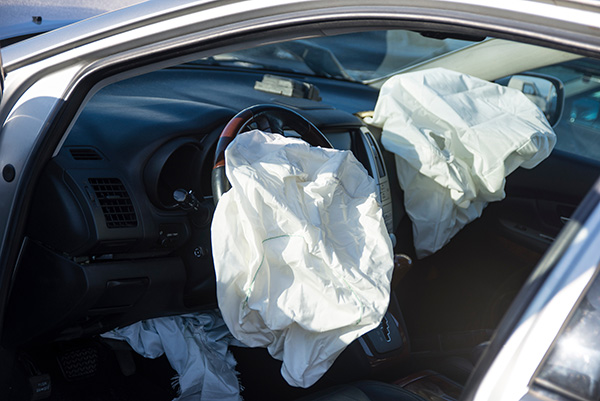
There is no single seat that provides the greatest protection in every vehicle and every type of collision. Occupant age, body size, seat belt fit, airbag design, child restraint installation, and the direction of the impact all affect injury risk.
For most passengers, the strictest rule is simple: use the seating position where the correct restraint fits and can be used properly. For children younger than 13, federal safety guidance recommends the rear seat. Adults should consider belt fit, available airbags, and the safety equipment installed in each seating position.
The Rear Seat Is Usually The Better Choice
The rear seat places passengers farther from the dashboard, windshield, steering wheel, and the most common area of impact in a frontal crash. This distance is one reason the back seat has long been recommended for children.
Children younger than 13 should remain properly restrained in the rear seat, according to both NHTSA and the CDC. They should use a rear-facing car seat, forward-facing seat, booster seat, or vehicle seat belt based on their size and the limits established by the restraint manufacturer.
The answer is more complicated for adults. Front seats in many newer vehicles have advanced belts, pretensioners, load limiters, knee airbags, and other features designed around adult occupants. Some rear seats do not provide the same level of restraint technology. IIHS has strengthened its crash testing requirements to encourage better protection for people riding in the second row.
Is The Rear Center Seat Always Safest?
The rear center position is often described as the safest because it is farther from either side of the vehicle. That extra distance can be useful in a side collision, but location alone does not make it the correct seat for every occupant.
The center seat is a strong option only when it provides a proper lap-and-shoulder belt or allows the child restraint to be installed tightly according to both the vehicle and car seat instructions. Some center positions are narrow, raised, or shaped in a way that makes correct installation difficult.
Do not use lower anchors from the two outside seats for a center-mounted child seat unless both the vehicle manufacturer and child restraint manufacturer specifically permit it. A tightly installed seat in an approved outboard position is safer than an incorrectly installed seat in the center.
Children Need The Correct Restraint
The safest position cannot compensate for a car seat that is loose, incorrectly angled, or unsuitable for the child’s size. NHTSA recommends keeping young children rear-facing until they reach the seat's height or weight limit, then using a forward-facing seat with a harness and tether until they outgrow that restraint. A booster remains necessary until the vehicle belt fits correctly.
A correct child restraint setup includes:
- A seat appropriate for the child’s height and weight
- A tight installation with limited movement at the belt path
- A correctly positioned harness
- A properly attached top tether when required
- No bulky coat under the harness
- No unapproved padding or accessories
- A seating position approved by both manufacturers
Children should not move into an adult seat belt simply because of age. The lap portion must stay low across the upper thighs, while the shoulder portion should cross the center of the chest and shoulder.
Adults Need Proper Belt Fit Too
Every adult should use the lap-and-shoulder belt, even for a brief drive. The lap belt should sit low across the hips rather than across the stomach. The shoulder belt belongs across the chest and shoulder, not under the arm or behind the back.
Sitting upright also supports correct restraint operation. Reclining excessively can allow the body to slide beneath the lap belt during a collision. Feet should remain on the floor rather than resting on the dashboard, where an inflating airbag could force the legs toward the face and upper body.
Front passengers should move the seat rearward as far as practical while still remaining upright and properly belted. Drivers need enough distance from the steering wheel airbag while maintaining full control of the pedals and wheel.
Vehicle Design And Crash Type Change The Answer
A seat that performs well in a frontal collision may face different forces in a side impact, rollover, or rear collision. Side curtain airbags, rear-seat belt technology, head restraint design, roof strength, and the amount of structural space around each occupant all influence protection.
Vehicle age also changes the answer. A newer front passenger seat with advanced restraints may protect an adult better than a basic rear seating position in an older vehicle. Conversely, a properly restrained child still belongs in the rear because of the risks associated with front airbags and frontal impact exposure.
Crash-test results can provide useful vehicle-specific information. They should be reviewed alongside seating capacity, restraint features, child seat compatibility, and the needs of the passengers who regularly use the vehicle.
Simple Steps Before Every Trip
Make sure every passenger is buckled before the vehicle moves. Confirm that child restraints remain tight, head restraints are positioned correctly, and bags or tools are secured so they cannot become projectiles.
Regular maintenance should include checking warning lights and addressing damaged seat belts, latches, airbags, seats, or adjustment mechanisms. An inspection is necessary after a collision because belt pretensioners, buckles, mounting points, and child restraints may need replacement even when damage is not obvious.
Get Vehicle Safety Service In Summerlin, Las Vegas, And Wilmington With The Car Guys
The Car Guys serves drivers in Summerlin, NV, Las Vegas, NV, and at two locations in Wilmington, NC. Our team can check seat belt concerns, airbag warning lights, seat adjustments, and other vehicle safety systems.
Contact us to schedule service, and follow us on Facebook for updates.