Posted on 8/28/2026
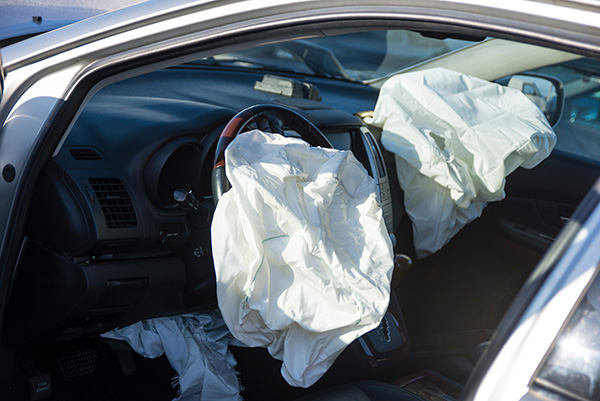
There is no single seat that provides the greatest protection in every vehicle and every type of collision. Occupant age, body size, seat belt fit, airbag design, child restraint installation, and the direction of the impact all affect injury risk. For most passengers, the strictest rule is simple: use the seating position where the correct restraint fits and can be used properly. For children younger than 13, federal safety guidance recommends the rear seat. Adults should consider belt fit, available airbags, and the safety equipment installed in each seating position. The Rear Seat Is Usually The Better Choice The rear seat places passengers farther from the dashboard, windshield, steering wheel, and the most common area of impact in a frontal crash. This distance is one reason the back seat has long been recommended for children. Children younger than 13 should remain properly restrained in the rear seat, according to both NHTSA and the CDC. They should use a re ... read more