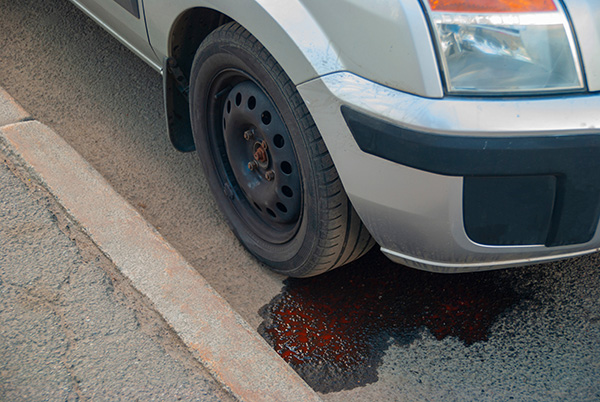
A leaking steering rack can start with nothing more than a damp spot under the car or a power steering reservoir that needs occasional topping off. As the leak gets worse, steering effort can increase, the pump can begin whining, and fluid may start dripping onto nearby suspension or exhaust components.
The right repair depends on exactly where the fluid is coming from and what condition the rack is in. Some leaks come from hoses or fittings near the rack, while others come from seals inside the rack itself. Before recommending replacement, we first confirm the actual source.
Worn Internal Seals Are a Common Cause
Hydraulic steering racks use seals to keep pressurized power steering fluid inside the housing. Those seals deal with heat, pressure, steering movement, and years of exposure to fluid.
As they age, the rubber can harden or lose its ability to seal against the rack shaft. Fluid can then seep past the seals and collect inside the rubber bellows at either end of the rack. If we pull back the bellows and find power steering fluid inside, that is a strong sign the rack itself is leaking internally.
Corrosion and Shaft Damage Can Ruin New Seals
A steering rack shaft needs a clean, smooth surface for its seals to work properly. Rust, pitting, or scoring on that surface can damage a seal every time the rack moves from side to side.
This is one reason installing a seal alone is not always a lasting repair. If the shaft is corroded or worn, a fresh seal can begin leaking again quickly. During an inspection, we look at the condition of the rack assembly as a whole instead of assuming every leak can be solved with one inexpensive seal.
Hoses and Fittings Can Look Like a Rack Leak
Power steering fluid can travel along hoses, brackets, and the rack housing before dripping onto the ground. That makes the lowest wet spot a poor place to diagnose the leak.
Pressure hoses, return hoses, O-rings, and threaded fittings can all leak near the steering rack. We clean the area and trace the fluid back to its highest fresh point. If a hose or fitting is responsible and the rack itself is dry, replacing the complete steering gear would be unnecessary.
Damaged Rack Boots Can Lead to Bigger Problems
The rubber boots on both ends of the steering rack are designed to keep dirt, water, and road debris away from the rack shaft and inner tie rods. They are not designed to hold power steering fluid.
If a boot tears, contamination can reach the polished rack surface and contribute to corrosion or seal damage. A boot that is swollen and full of fluid tells us something different. In that case, the internal rack seal has already allowed fluid into an area where it should never be.
Can a Leaking Steering Rack Be Repaired?
Sometimes, but it depends on the rack's design and condition. A leaking external fitting, replaceable seal, or serviceable connection can be repaired without replacing the complete assembly.
Internal rack leaks are different. Rebuilding a steering rack requires proper seals, specialized tools, and a housing and shaft that are still in usable condition. On many modern vehicles, installing a quality replacement or professionally remanufactured rack is the more dependable repair. We compare repair options, parts availability, and the unit's overall condition before recommending a direction.
When Does the Steering Rack Need Replacement?
A rack is a stronger replacement candidate when internal seals are leaking badly, the shaft is damaged, the housing has excessive wear, or the steering mechanism has looseness along with fluid loss.
Warning signs we take seriously include:
- Power steering fluid collecting inside the rack boots
- Steering fluid repeatedly dropping below the proper level
- Heavy steering accompanied by a whining pump
- Visible corrosion or damage on the rack
- Loose or uneven steering feel
- Fluid leaking from the rack housing itself
- Internal play that cannot be corrected with external parts
A rack with both leakage and mechanical wear is rarely a good place for a temporary repair.
Do Not Keep Driving With Low Power Steering Fluid
Hydraulic power steering pumps depend on fluid for lubrication and pressure. If a rack leak lets the reservoir run low, the pump can pull in air and begin whining or groaning.
Driving your vehicle with low steering fluid can damage the pump, turning one repair into two. Regular maintenance gives us a chance to spot damp steering components and falling fluid levels before the system runs dry. If steering suddenly becomes heavy, check the fluid level only when it is safe to do so and have the leak diagnosed promptly.
Get Steering Rack Service In Nevada and North Carolina, With The Car Guys
If your vehicle is losing power steering fluid, making steering noises, or showing signs of a leaking rack, The Car Guys can diagnose the source at its Summerlin and Las Vegas, NV locations or either of its two Wilmington, NC locations.
Schedule a steering system check before a manageable fluid leak damages the pump or leaves you dealing with much heavier steering.