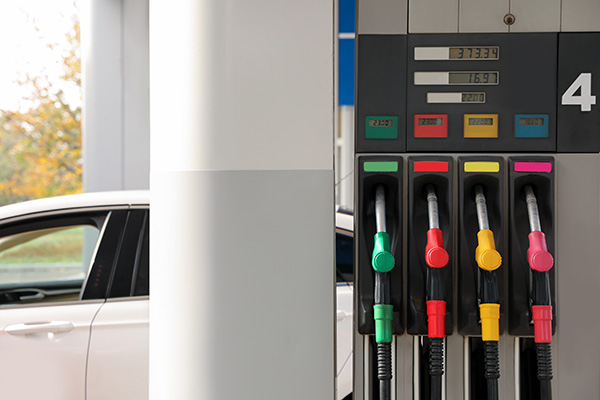
Fuel prices can make every fill-up feel like a bigger decision than it used to. If your car calls for premium gas, switching to regular can seem like an easy way to save money right away. The question is whether the savings at the pump are worth it for your specific engine.
Some vehicles handle regular fuel just fine. Others were built around premium fuel, and changing grades can affect performance, efficiency, and long-term engine health. Before you switch, it helps to know what premium gas actually does and what your car is asking for.
Why Fuel Grade Should Match The Engine
Fuel grade is based on octane rating. Octane measures how well a fuel resists knocking, which occurs when fuel ignites at the wrong time in the engine. That is especially important in engines with higher compression, turbochargers, superchargers, or performance tuning.
Premium gas does not automatically mean cleaner or more powerful gas for every car. It simply resists knock better than regular gas. If your engine was designed to need that resistance, premium is part of how it protects itself and performs correctly. If your engine was designed for regular use, premium will not create a major benefit by itself.
Required Premium vs. Recommended Premium
The first place to check is the owner’s manual or the label near the fuel door. The wording matters. If premium fuel is required, the manufacturer is telling you the engine was designed to run on that grade. Switching to regular is not a smart long-term move unless there is a true emergency and the manual allows it for short-term use.
If a premium is recommended, the situation has more flexibility. The engine can typically run on regular, but there may be trade-offs. You might notice reduced power, lower fuel economy, more engine noise under load, or slower acceleration. In some cars, the difference is small. In others, it is easy to feel.
What Happens If You Switch To Regular Gas
Modern vehicles use knock sensors and computer controls to protect the engine. If lower-octane fuel causes knock, the computer can adjust timing to reduce the risk. That protection is useful, but it does not mean the engine is performing exactly as designed.
When the computer pulls timing back, the car can feel less responsive. It might also use more fuel because the engine is no longer operating at its best. That is where the savings can shrink. If regular gas costs less but your fuel economy drops enough, the real savings may be smaller than expected.
When Regular Gas Can Be A Reasonable Choice
Regular gas can be fine if your vehicle allows it and your driving is fairly light. If the manual says premium is recommended but not required, and you mostly drive calmly around town, you might not notice much difference. The engine computer can adjust, and the car may continue to run acceptably.
Still, pay attention to how the vehicle reacts. If you tow, drive in very hot weather, climb grades, accelerate hard, or drive a turbocharged vehicle, premium may still be the better choice. Engines under load are more likely to need the knock resistance that premium fuel provides.
Signs Your Car Does Not Like The Change
If you try regular fuel in a vehicle that recommends premium, watch for changes. Some signs show up quickly. Others build over a few tanks.
Pay attention to:
- Pinging or rattling under acceleration
- Weaker power when merging or climbing hills
- Lower fuel economy than normal
- Rougher starts or hesitation
- A check engine light on the dashboard
Those symptoms do not always mean fuel grade is the only problem. Spark plugs, carbon buildup, sensors, fuel system issues, and other engine concerns can create similar complaints. That is why an inspection is helpful if the vehicle starts acting differently after the switch.
Why Maintenance Affects Fuel Choice
A well-kept engine handles fuel decisions better than one that is already struggling. Worn spark plugs, carbon deposits, dirty injectors, weak ignition coils, and cooling system issues can make an engine more sensitive to lower-octane fuel. If the car is already close to knocking or running hot, regular gas can make those problems easier to notice.
Regular maintenance plays a big role here. Keeping the ignition system, filters, fluids, and cooling system in good shape helps the engine use the correct fuel grade more effectively. If your vehicle has been neglected, switching fuel grades to save money can expose problems that are already developing.
How To Decide Before Switching
Do not make the decision based only on the price sign at the gas station. Start with the owner’s manual. If a premium is required, stay with the premium. If it is recommended, you have some room to compare cost, performance, and fuel economy.
A good approach is to track mileage over a couple of tanks, listen for unusual engine noise, and pay attention to how the car feels under load. If regular fuel makes the engine feel weaker, use more fuel, or trigger warnings, the cheaper fuel isn't helping as much as it seemed. Saving money is important, but the right fuel grade is still the one that fits the engine.
Get Fuel System Service In Summerlin, NV, Las Vegas, NV, And Wilmington, NC, With The Car Guys
If you are thinking about switching fuel grades or your car has started running differently after using regular gas, The Car Guys can help drivers in Summerlin, NV, Las Vegas, NV, and Wilmington, NC, check the vehicle and determine which fuel choice makes sense.
Bring it in before a pump-price decision turns into poor performance, warning lights, or engine trouble.